Érosion

A study of Sand, light and skin.

Creative Image Direction - Photography & Film

Mauritius - 2026

OVERVIEW

ÉROSION is a visual research project exploring the transformation of the body through contact with natural elements.

Developed between fashion editorial, beauty imagery and sensory cinema, the project investigates how light, salt, sand and water slowly alter surfaces, textures and perception itself.

Rather than approaching beauty through perfection or glamour, the intention was to treat skin as a living material:


Something sculpted by friction, tension and exposure.

The body becomes landscape.
The landscape becomes texture.

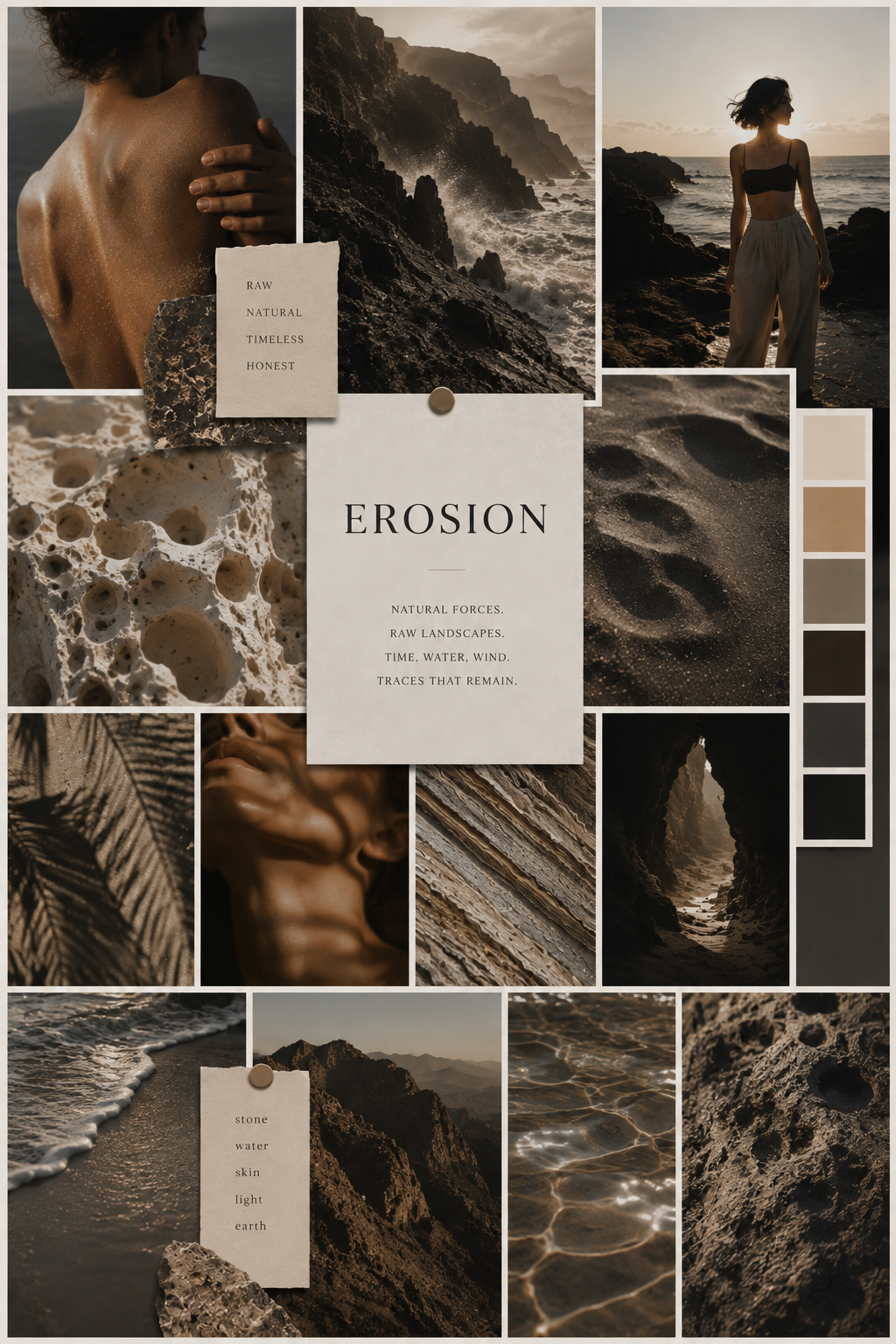
The project was built around a restrained visual system:
Dense shadows, mineral tones, tactile close-ups and silent movement.

Every image was designed to feel eroded rather than produced.

VISUAL TERRITORY

The visual language of EROSION is rooted in:

  • Mineral textures

  • Salt residue

  • Warm deteriorated tones

  • Sculptural light

  • Tactile skin detail

  • Silence and density

  • Natural erosion patterns

The intention was to create imagery that feels physical rather than decorative.

A visual atmosphere suspended between:
fashion editorial, sensory beauty campaign and cinematic observation.

FILM APPROACH

Alongside the photographic series, EROSION was also developed as a short visual film.

The cinematic approach followed the same principles:
slow observation, tactile imagery, restrained movement and material tension.

Rather than narrative storytelling, the film functions as a sensory extension of the photographic system.

NARRATIVE ENGINE

The narrative structure of the project is based on repetition and gradual transformation.

Rather than telling a linear story, the series evolves through fragments:
Water touching skin, sand remaining on the body, light revealing texture, surfaces slowly dissolving into abstraction.

The sea is not treated as a landscape backdrop.

It acts as an active force:
shaping matter through time.

IMAGE SEQUENCE

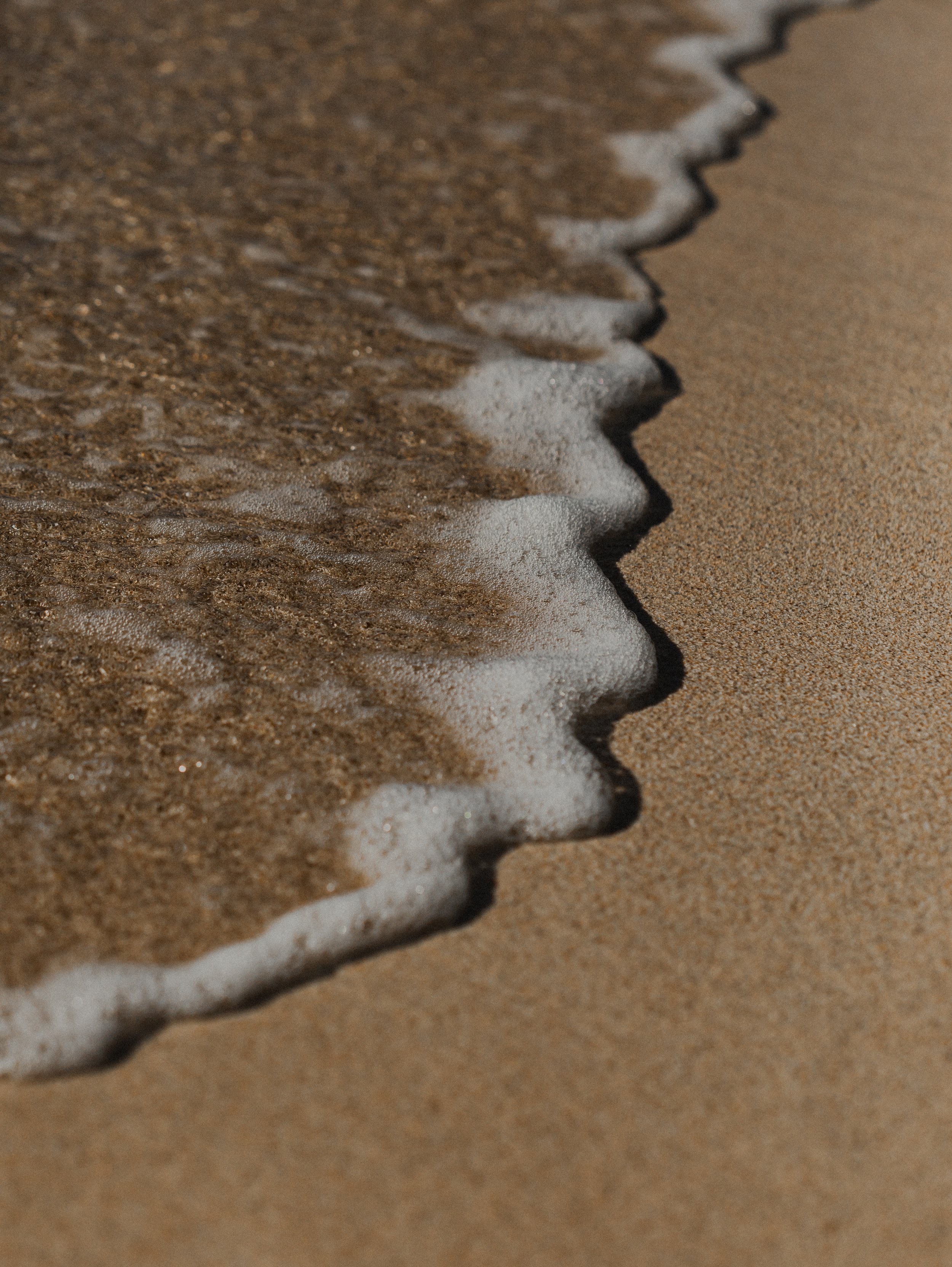
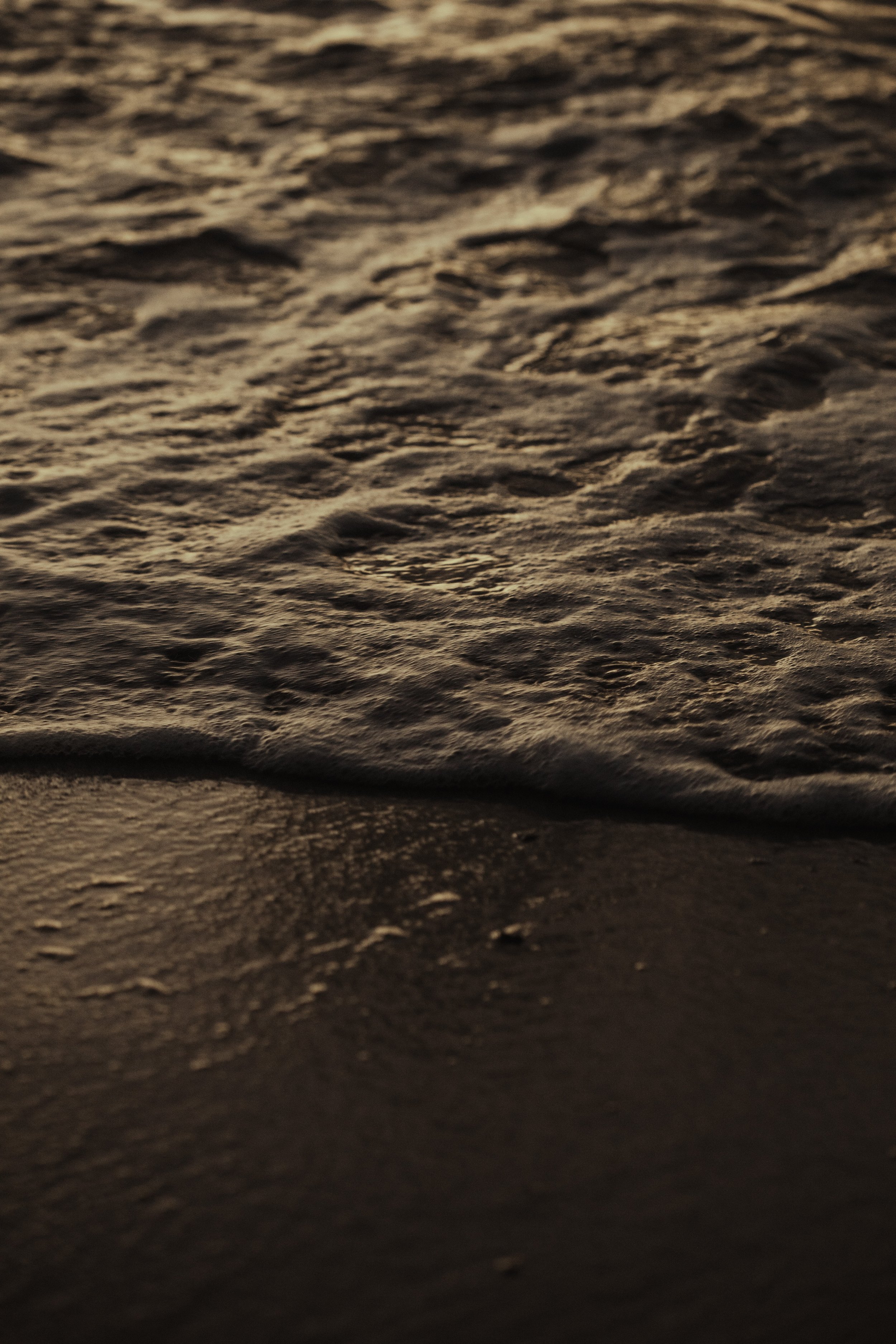
Close-up photo of a foamy wave on a sandy beach.

OPENING IMAGE

The project opens with a fragile tension between water and mineral texture.
An abstract introduction to erosion itself.

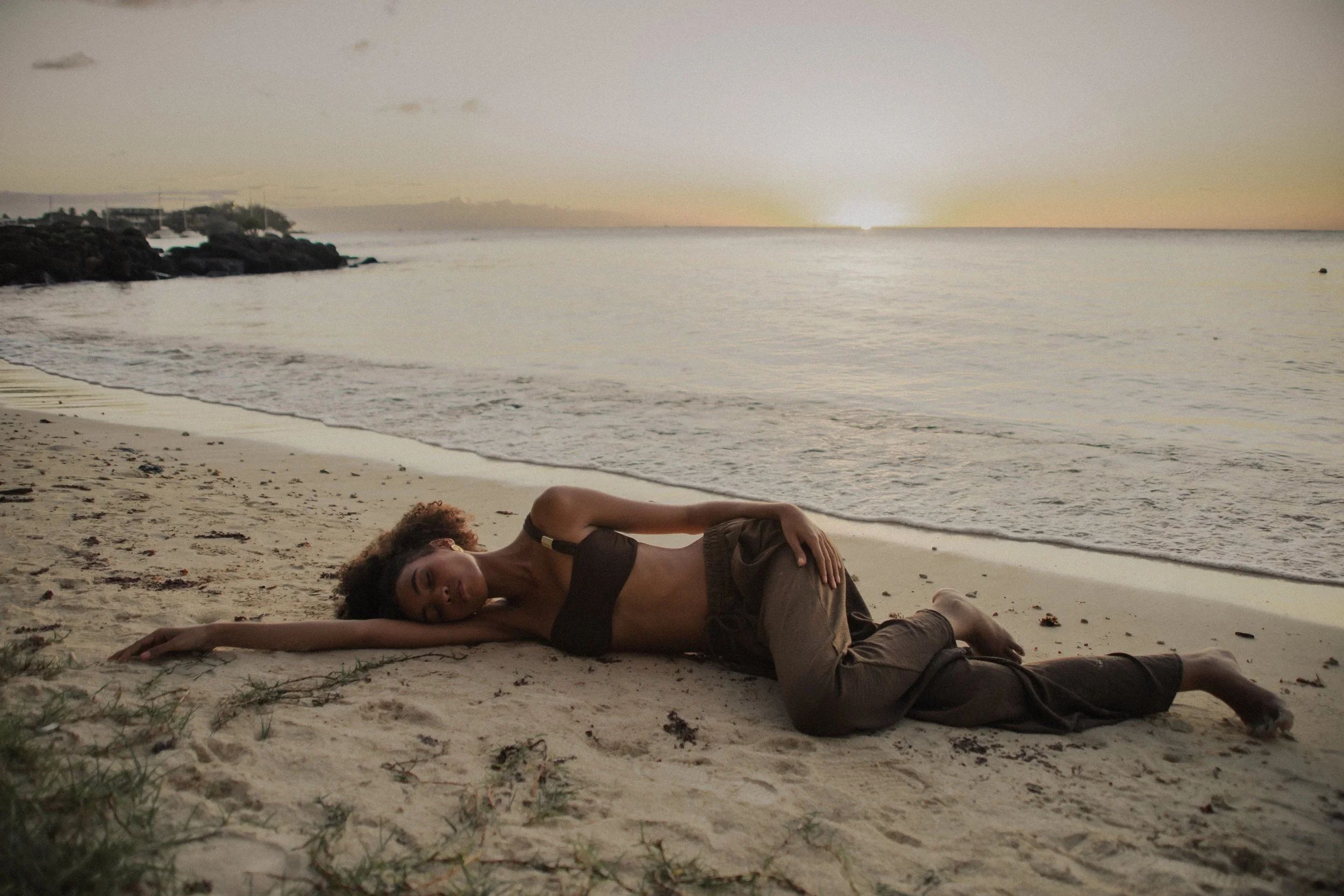
A woman with curly hair in a brown top and brown wide-leg pants standing on a beach near the water.

PORTRAIT - SILHOUETTE

The body is introduced as a sculptural surface rather than a subject.
Light defines structure through restraint and shadow density.

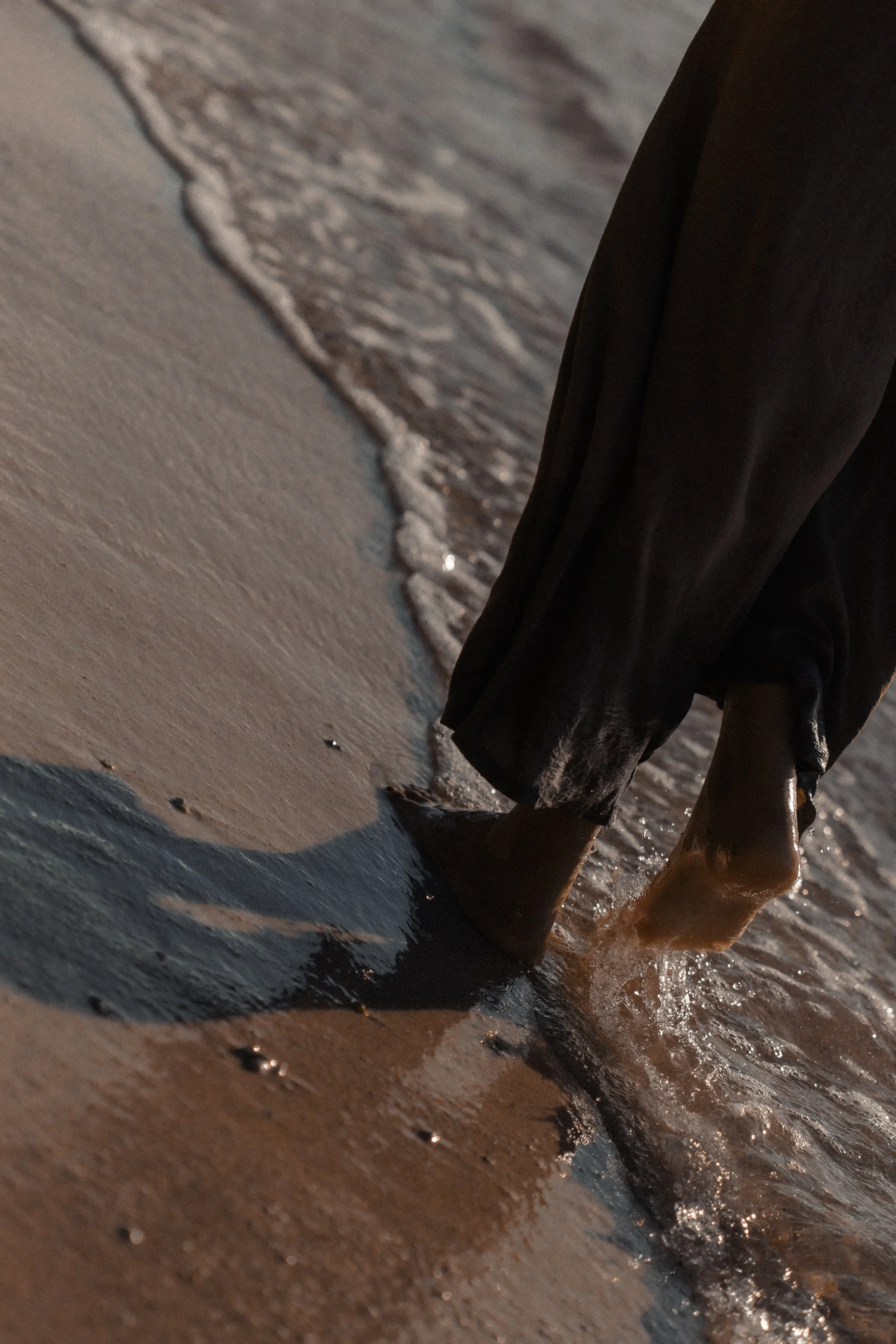
Close-up of person's legs and feet walking on wet sandy beach near shoreline with gentle waves.

CONTACT

One of the central visual moments of the series.

The interaction between skin, water and reflected light establishes the tactile language of the entire project.

Close-up of a person's face focusing on their cheek, part of their nose, lips, and a hand touching their chin. The person has dark skin, curly hair, and is wearing a small earring.

SKIN AS MATERIAL

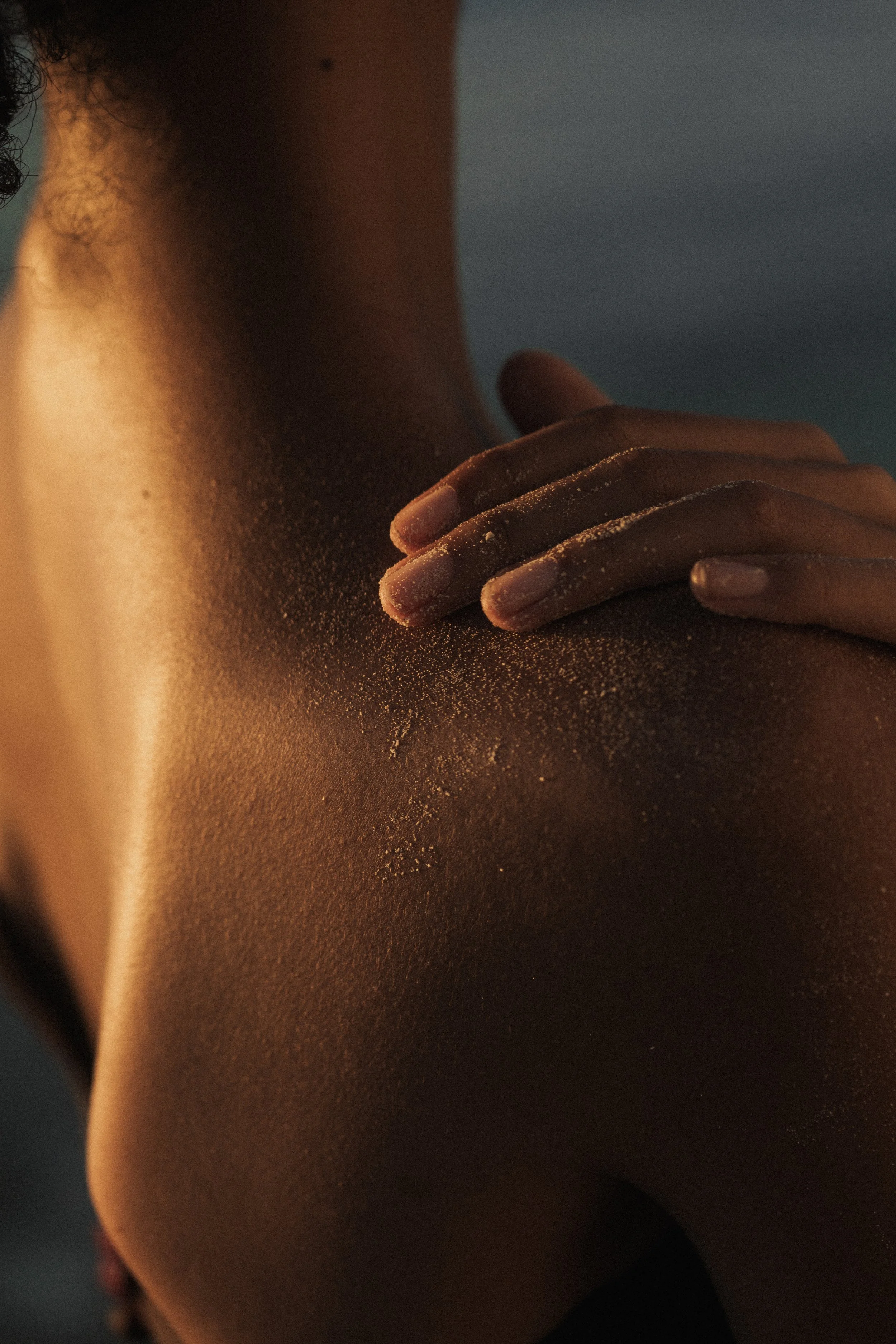
The body becomes terrain.

Sand residue and skin texture are treated with the same visual importance as landscape elements.

Close-up of a woman's face with her eyes closed, makeup, and earrings, lying on a dark surface.

LIGHT STUDY

This image explores warmth, silence and light compression.

The face is approached as a surface receiving light rather than performing emotion.

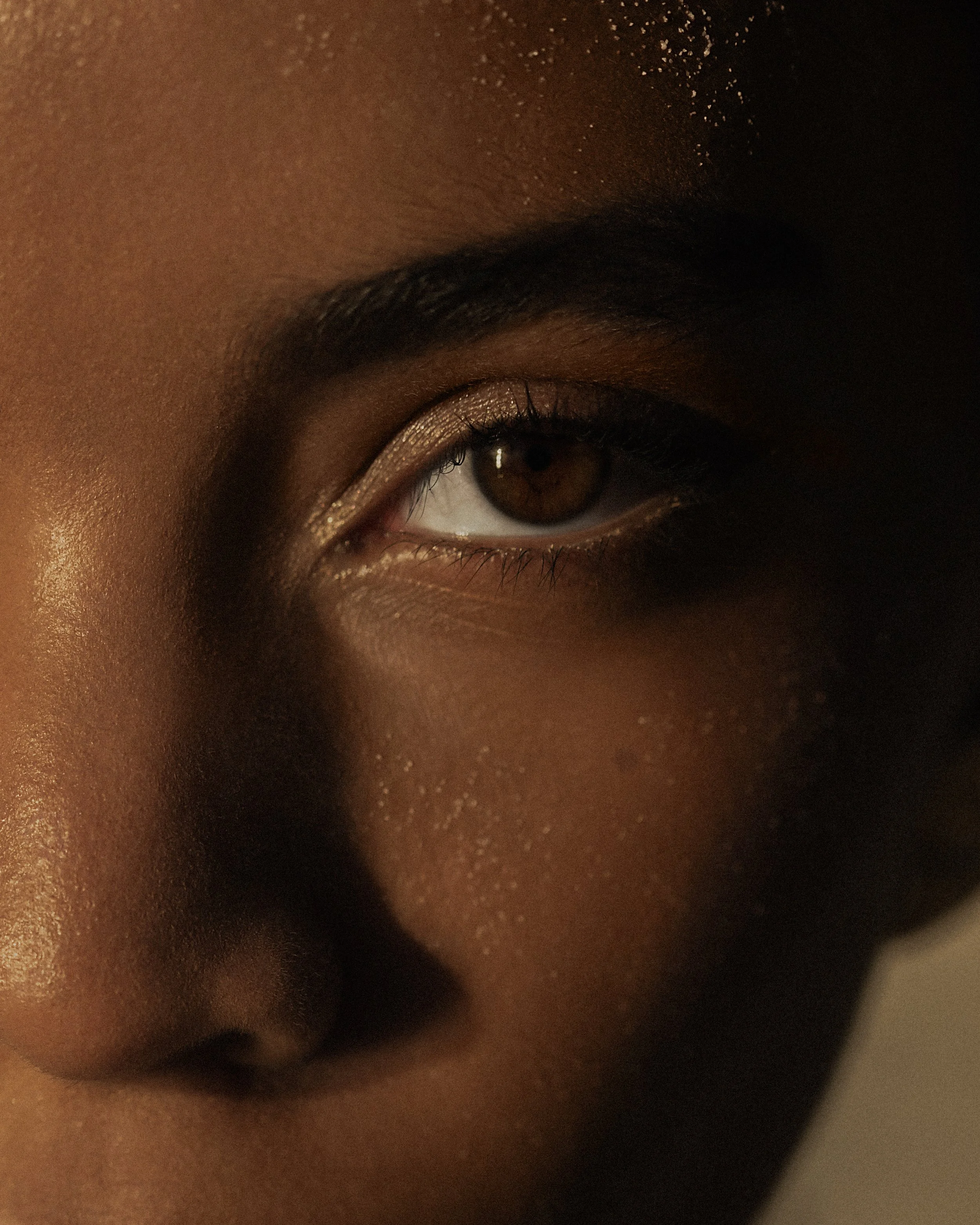
Close-up of a person's brown eye with makeup and a visible brow.

FRAGMENTATION

The project progressively moves toward abstraction.

Fragments replace portraiture.
Texture replaces identity.

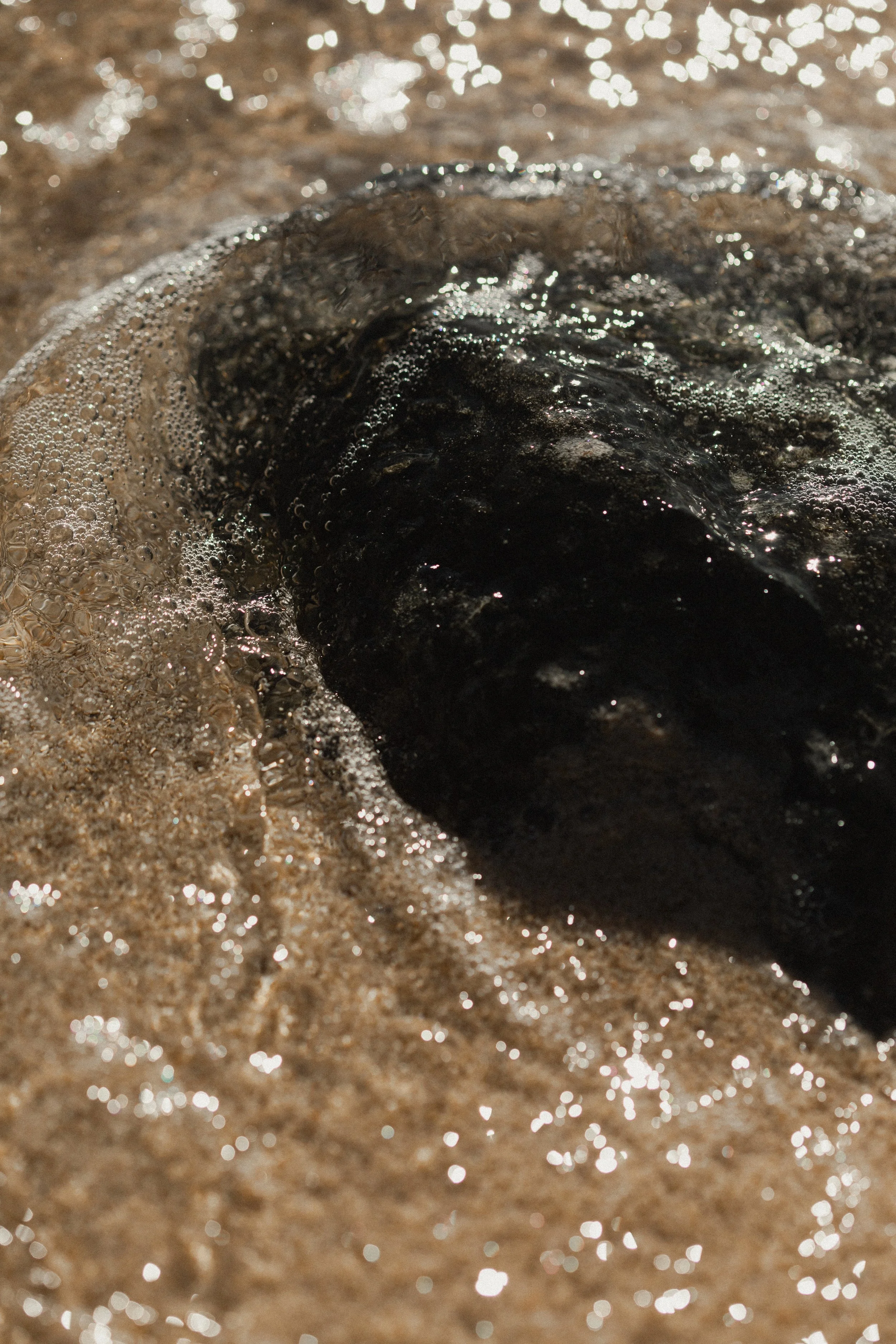
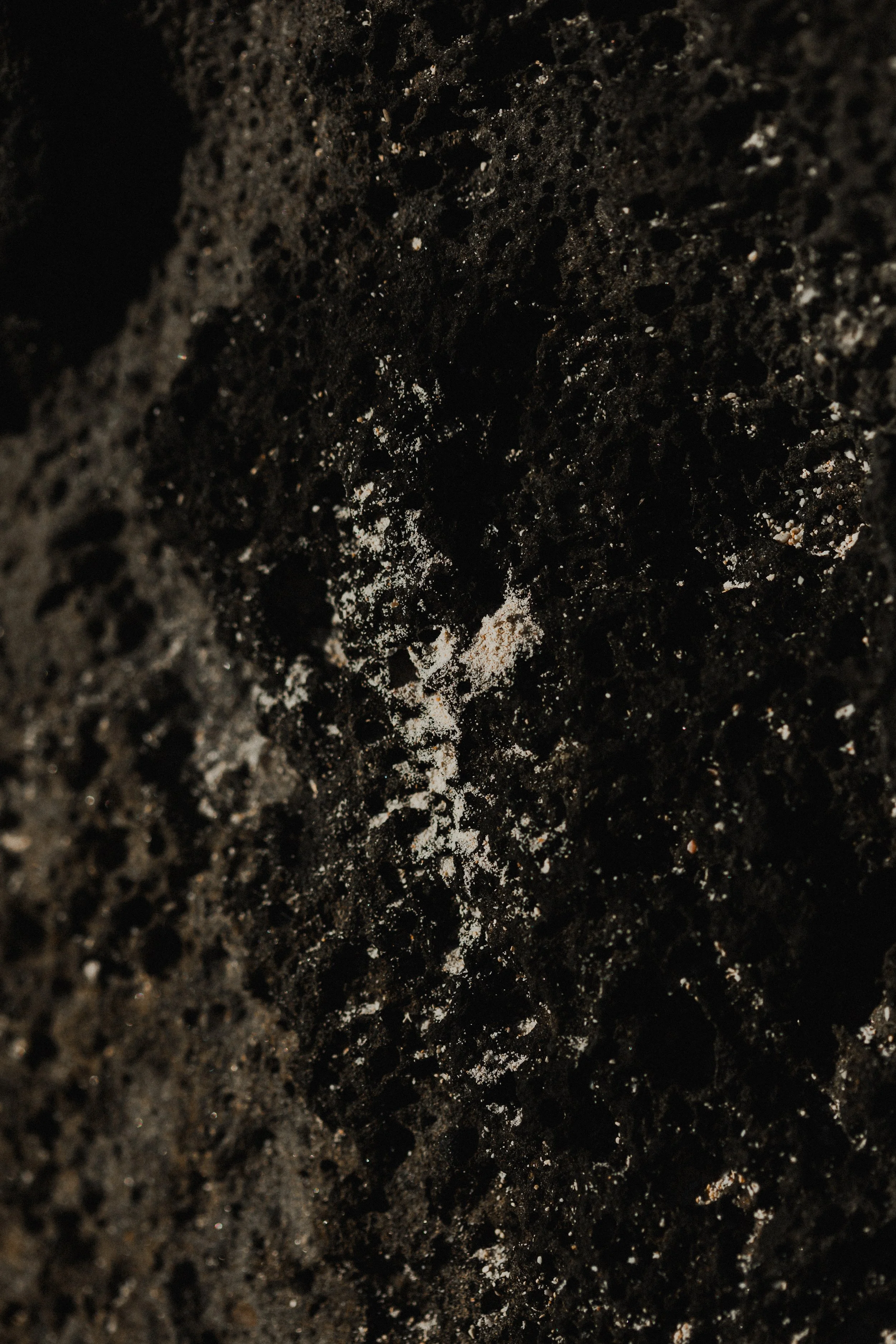
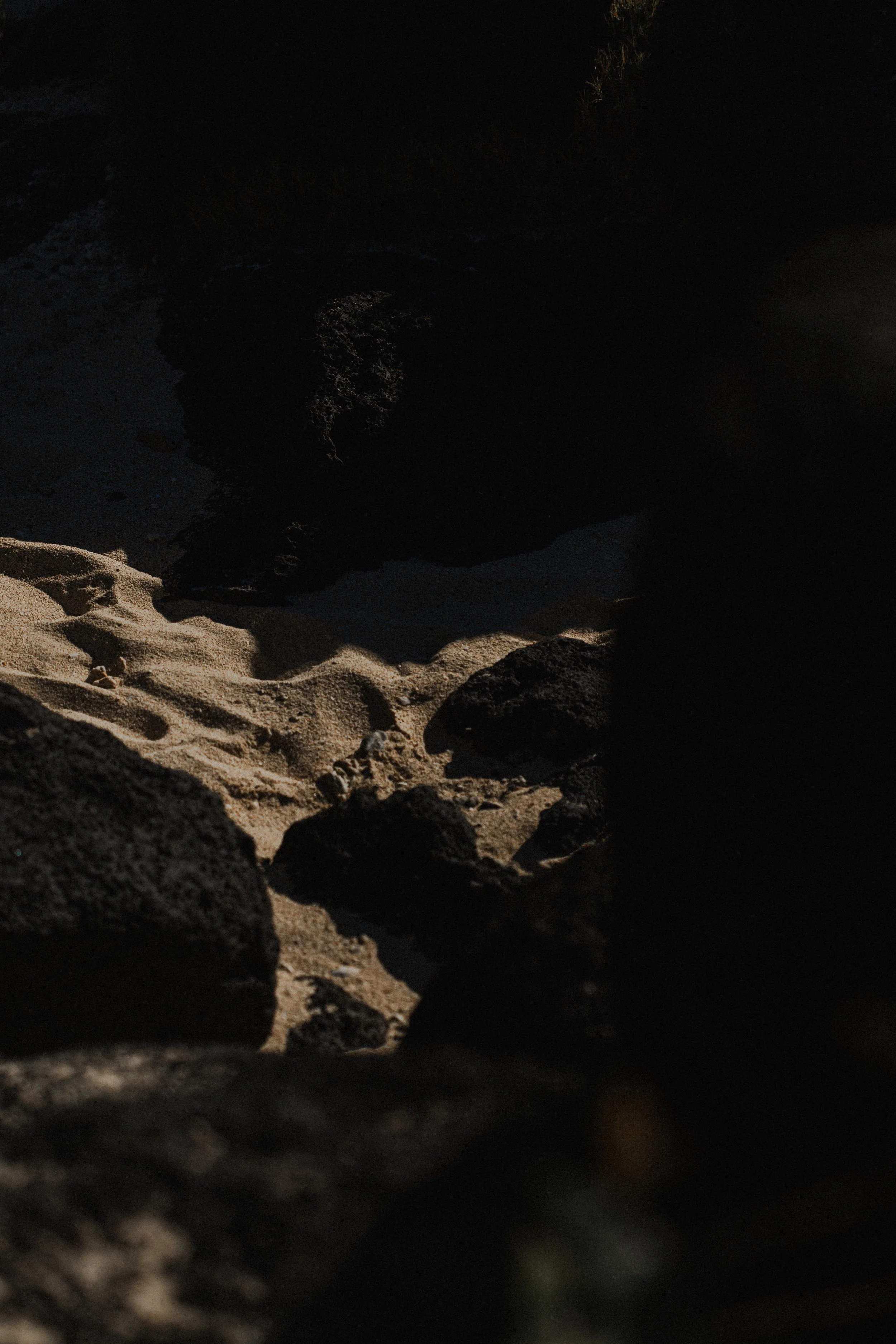
Close-up of dark, textured soil with small white specks and shiny particles.

MINERAL SURFACE

A visual parallel between skin erosion and geological erosion.

This image reinforces the project’s material continuity.

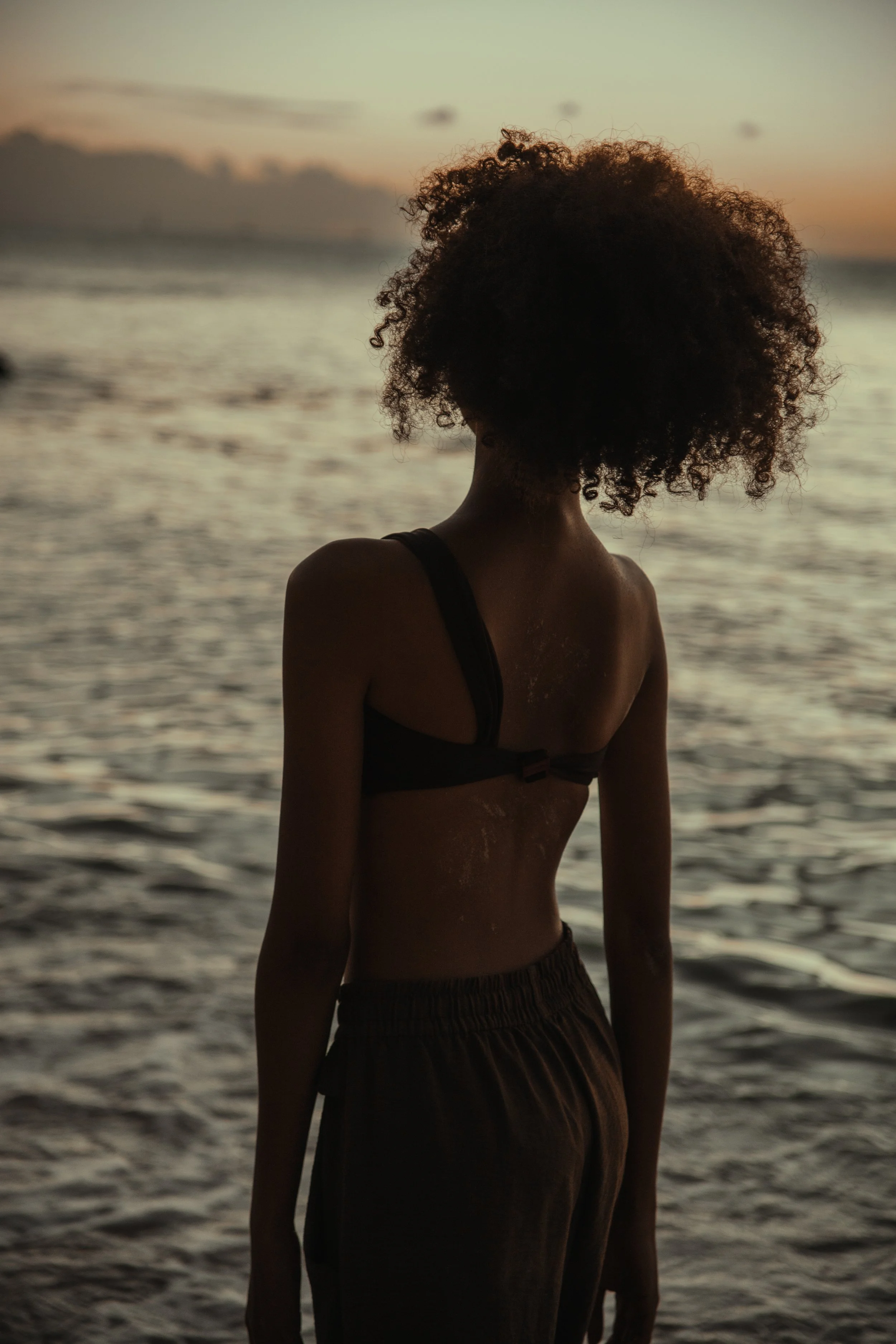
A silhouette of a woman with curly hair standing on a beach during sunset, facing the water.

DISSOLUTION

The body slowly disappears into shadow and atmosphere.

The project concludes in a state of visual erosion rather than resolution.

CREATIVE DIRECTION APPROACH

The project was intentionally developed with a restrained aesthetic language.

Minimal styling, controlled color palette and reduced visual noise allowed texture and light to become the central narrative elements.

The visual construction relied on:

  • directional natural light

  • compressed tonal range

  • dense midtones

  • organic imperfections

  • tactile framing

The goal was not to create polished luxury imagery, but emotionally charged materiality.